
How to monitor a secondary residence when you do not live there
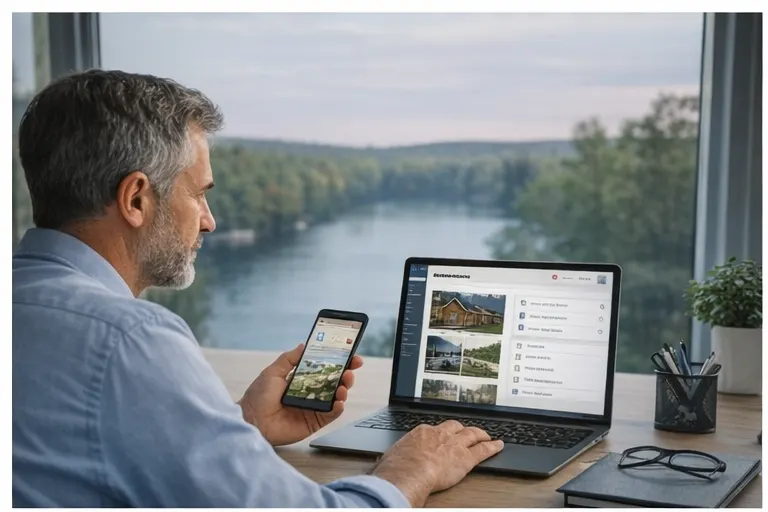
When a secondary residence is not occupied year-round, small details can quickly become sources of concern. A heating issue, an unnoticed leak, a supplier who did not return or seasonal maintenance that was postponed can all have greater consequences when no one is regularly on site to verify the situation.
For many owners, the real challenge is not simply owning a property from a distance, but maintaining a clear view of its condition, scheduled interventions and upcoming obligations. A structured monitoring process helps prevent the management from relying entirely on improvisation.
What should be checked regularly
A lightly occupied residence still requires ongoing administrative attention, even when no visible problem is present. This may include confirming supplier visits, verifying heating, following seasonal maintenance, watching for signs of humidity and ensuring that access points, systems and the exterior remain in good condition.
When these checks are done consistently, problems are often detected earlier and cost less to resolve.
Why distance makes everything heavier
At a distance, every step takes more time. Someone has to be contacted, a visit has to be scheduled, confirmation has to be obtained and sometimes a second intervention is needed. Even highly organized owners eventually find that this coordination takes up significant mental space.
The challenge does not always come from a major event, but from the accumulation of many small responsibilities that require steady attention.
Building a more reassuring structure
Good monitoring is based on a clear routine: seasonal reminders, occasional checks, service follow-ups, supplier history and simple documentation of actions to take. This structure makes it easier to know what has already been done, what should be reviewed next and what requires a decision.
It also reduces uncertainty between visits to the property.
An administrative relay that helps maintain control
For many owners, delegating part of the administrative follow-up is a practical way to protect the property without having to manage every detail personally. La Griffe Résidentielle helps owners who want more discreet, more consistent and more structured oversight of their secondary residence.
This approach provides greater peace of mind while preserving visibility over the property.
See also our complete guide to managing a secondary residence in Quebec.
Would you like more peace of mind for your secondary residence?
La Griffe Résidentielle can act as an administrative relay to coordinate follow-ups and maintain more structured oversight of your property.